
As the temperature drops and the rainy season hits the Greater Seattle area, most homeowners start thinking about cozying up indoors. But before winter fully arrives, there’s an important job to handle outside — winterizing your outdoor plumbing.
If you skip this step, your exterior pipes, faucets, and irrigation systems could freeze, burst, and cause costly water damage — not just outside but even inside your walls. At Magic Flow Plumbing, we’re licensed and bonded experts who have seen how one overlooked outdoor faucet can turn into a flooded basement.
This guide walks you through exactly how to winterize your outdoor plumbing — step by step — to protect your home from cold-weather surprises.
Why Winterizing Outdoor Plumbing Matters
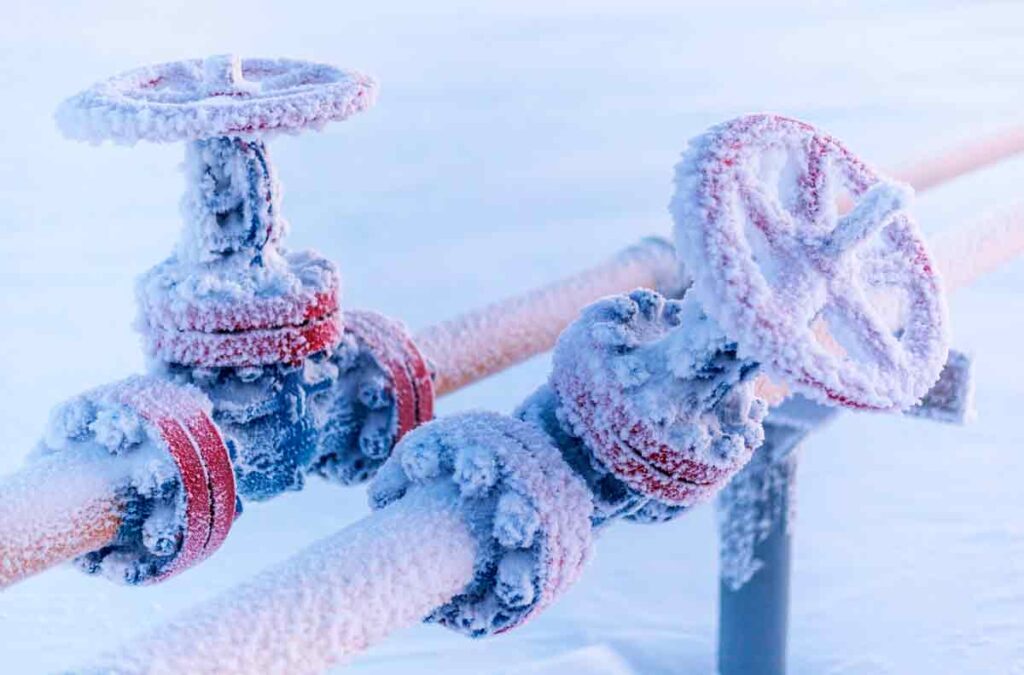
Outdoor plumbing faces harsher conditions than anything inside your home. When temperatures drop below freezing, any water left in exterior pipes, garden hoses, or irrigation systems can turn to ice. And since water expands when it freezes, that ice puts enormous pressure on pipes — often enough to crack or burst them.
When the ice melts, water gushes out, sometimes flowing back into your home through the walls or foundation.
A few real-world examples of damage we see every winter:
- Cracked hose bibs that leak inside basement walls.
- Burst irrigation lines flooding gardens or driveways.
- Water seeping under foundations, causing mold or structural damage.
Most of these problems are completely preventable with just an hour or two of preparation.
Step 1: Turn Off the Water Supply to Outdoor Faucets
Find the shut-off valves
Most homes in the Greater Seattle area have shut-off valves inside the house that control water to the outdoor faucets (also called hose bibs). They’re usually located:
- In basements or crawl spaces.
- Near the main water line.
- Close to the ceiling in unfinished basements.
What to do
- Turn the shut-off valve clockwise to close it.
- Go outside and open the faucet to let any remaining water drain out.
- Leave the outdoor faucet open — this prevents pressure buildup if any water remains in the line.
If your home doesn’t have a dedicated shut-off valve, you may want to have Magic Flow Plumbing install one. It’s a quick, inexpensive job that can save you thousands in future water damage.
Step 2: Disconnect and Drain All Garden Hoses
It’s easy to forget, but leaving a garden hose connected is one of the most common causes of frozen plumbing in winter.
Here’s why:
When a hose remains attached, water can’t fully drain from the faucet or pipe. That trapped water freezes and expands, cracking the hose bib or the pipe behind the wall.
What to do
- Disconnect every hose from outdoor faucets.
- Drain the water completely by stretching it out along a slope or lifting one end.
- Store hoses in a garage or shed to protect them from cracking in the cold.
If you use automatic hose reels, check for any remaining water in the line and drain that too.
Step 3: Insulate Outdoor Faucets (Hose Bibs)
Even after shutting off the water and draining the lines, outdoor faucets can still freeze if exposed to the elements.
How to protect them
- Purchase foam faucet covers from a hardware store. They’re inexpensive and very effective.
- Place the cover over the faucet, pressing it tight against the wall.
- For added protection, wrap the pipe leading to the faucet with insulation tape before adding the cover.
In older Seattle homes with exposed plumbing on exterior walls, extra insulation makes a big difference — especially when temperatures dip below freezing overnight.
If you’re unsure what type of cover or insulation is right for your home, Magic Flow Plumbing can inspect your setup and recommend the best solution.
Step 4: Drain and Winterize Your Irrigation System
Sprinkler systems and underground irrigation lines are especially vulnerable during cold weather. If water remains inside them, even a light freeze can cause pipes to crack below the surface — which can be a nightmare to locate and repair in spring.
How to do it right
- Shut off the water supply to the irrigation system.
- Turn off the timer or controller.
- Drain the system manually if your setup allows (some have drain valves).
- Use compressed air to blow out any remaining water from each zone — but be careful not to over-pressurize the lines.
If you don’t have experience with this, it’s safer to hire a licensed and bonded plumber or irrigation specialist. The team at Magic Flow Plumbing can winterize your irrigation system professionally to ensure every line is dry and ready for the cold.
Step 5: Protect Outdoor Pipes and Exposed Plumbing
Any pipe that runs through unheated areas — garages, crawl spaces, or along exterior walls — can freeze.
What to check
- Pipes leading to outdoor faucets.
- Lines running through the garage or basement.
- Exposed water lines for outdoor kitchens, spigots, or hot tubs.
How to protect them
- Wrap exposed pipes with foam sleeves or fiberglass insulation.
- For added protection, apply heat tape — an electric heating cable that automatically turns on when it gets cold.
- Seal gaps or holes where pipes pass through walls to block cold air drafts.
Proper insulation doesn’t just prevent freezing; it also helps your plumbing system run more efficiently year-round.
Step 6: Clear Gutters, Downspouts, and Drains
This step isn’t directly about plumbing lines, but it’s essential for preventing water damage during winter.
When gutters or drains are clogged with leaves and debris, water backs up and can freeze near your home’s foundation or around outdoor plumbing fixtures.
What to do
- Clean out all gutters and downspouts before freezing temperatures arrive.
- Make sure downspouts direct water at least 3–5 feet away from the foundation.
- Check that outdoor drains are clear and flowing freely.
Clogged drainage systems are one of the top causes of basement leaks and foundation cracks in the Greater Seattle area during wet winters.
Step 7: Don’t Forget Outdoor Features
If your home has additional water fixtures like fountains, outdoor kitchens, or water features, they need winterizing too.
Fountains and water features
- Drain all water from basins, pumps, and tubing.
- Clean out debris to prevent mold or algae.
- Store small pumps indoors or wrap them in insulation.
Outdoor kitchens
- Shut off the water supply to outdoor sinks.
- Drain and disconnect the lines.
- Cover fixtures and appliances to protect them from rain and frost.
Taking care of these systems now saves you from cracked pipes, broken fittings, and damaged fixtures later.
Step 8: Check and Label Your Main Shut-Off Valve
If a pipe ever bursts — whether inside or outside — you need to know exactly where your main shut-off valve is.
Here’s how to check it
- Locate the valve, usually near where the main water line enters your home or in a crawl space.
- Turn it gently to ensure it’s not stuck.
- Label it clearly and make sure everyone in your household knows how to use it.
If your main shut-off valve is hard to reach or outdated, Magic Flow Plumbing can replace it with a modern, easy-to-use ball valve so you can act quickly in an emergency.
Step 9: Test Your System Before the First Freeze
Once everything’s drained, shut off, and insulated, test your system to make sure no water remains.
- Open each outdoor faucet briefly — no water should flow out.
- Check insulation for gaps or looseness.
- Confirm that your irrigation system is turned off and drained.
A few minutes of double-checking now can save you thousands in springtime repair costs.
Step 10: Schedule a Professional Winterization Service
While DIY winterizing is possible, many homeowners prefer the peace of mind that comes from hiring professionals.
A licensed and bonded plumber from Magic Flow Plumbing can:
- Inspect your outdoor plumbing system for hidden vulnerabilities.
- Shut off and drain exterior water lines correctly.
- Insulate exposed plumbing and outdoor fixtures.
- Winterize your sprinkler or irrigation systems safely.
- Check your entire plumbing system for potential cold-weather issues.
We use specialized equipment to make sure no water is left in pipes, even in hard-to-reach spots.
What Happens If You Don’t Winterize
Skipping winterization can lead to serious damage, including:
- Burst pipes in exterior walls.
- Water leaks under your foundation.
- Damaged faucets or irrigation valves.
- Flooding and mold inside the home.
Repairs for burst pipes can easily exceed $2,000–$5,000, not including cleanup and water damage restoration. Spending a little time (or hiring a professional) now can save you from that headache later.
When to Winterize in the Greater Seattle Area
In Western Washington, freezing nights can start as early as late October and continue through February. Ideally, you should complete all outdoor plumbing winterization by mid-October.
Even though the Greater Seattle area has a mild climate compared to other parts of the country, it still experiences short, intense cold spells that can freeze unprotected pipes overnight.
Additional Tips for Winter Protection
- Check your water pressure regularly. Sudden drops can indicate a developing leak.
- Insulate your water heater and basement pipes for added protection.
- Keep a plumber’s number handy in case you need emergency help.
- Inspect crawl spaces for moisture buildup during winter rains.
Why Choose Magic Flow Plumbing
At Magic Flow Plumbing, we’re proud to serve homeowners across the Greater Seattle area with reliable, professional plumbing services. We’re licensed and bonded, meaning you can trust us to get the job done right — safely and effectively.
We specialize in:
- Winterization and cold-weather plumbing protection.
- Pipe insulation and heat tape installation.
- Water heater service and maintenance.
- Drain cleaning and inspection.
- Leak detection and emergency plumbing repair.
When you call us, you’re not just getting a plumber — you’re getting a team dedicated to protecting your home and keeping your plumbing system in perfect working order, no matter the season.
Winterizing your outdoor plumbing might not be the most glamorous household chore, but it’s one of the most important. A few simple steps — turning off water supplies, draining lines, insulating faucets, and checking valves — can make the difference between a problem-free winter and a flooded basement.
If you’d rather have peace of mind and know it’s done right, contact Magic Flow Plumbing. Our licensed and bonded technicians serve the Greater Seattle area, helping homeowners protect their homes and save money every winter.
Magic Flow Plumbing
Licensed and Bonded | Serving the Greater Seattle Area
📞 Call or Text: (425) 666-8363
💧 Residential Plumbing Experts You Can Trust