
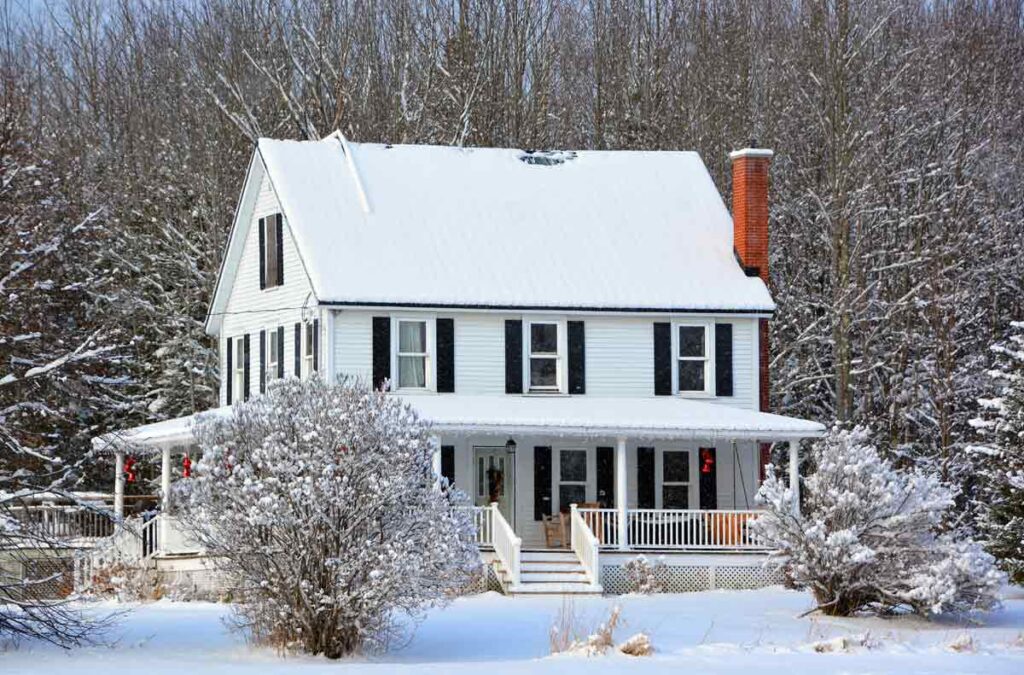
When the temperature drops, most homeowners in the Greater Seattle area think about keeping their homes warm and cozy — but few realize that cold weather can quietly wreak havoc on their plumbing. You might not notice these problems right away, but as winter progresses, small issues can turn into major repairs.
At Magic Flow Plumbing, we’re licensed and bonded, and every winter we help homeowners uncover plumbing issues caused or worsened by cold temperatures. From hidden leaks to slow drains and frozen pipes, understanding these hidden plumbing problems can save you time, stress, and money.
Let’s break down the most common cold-weather plumbing issues — and what you can do to prevent them.
1. Hidden Pipe Leaks Behind Walls and Under Floors
Why it happens
When temperatures drop, water inside your pipes can contract slightly, and the metal expands and contracts with it. Over time, this repeated pressure can weaken fittings or joints — especially in older homes or copper piping systems common throughout the Greater Seattle area.
If a pipe freezes and then thaws, even partially, it may develop hairline cracks that leak slowly and invisibly. These leaks can exist for weeks before you notice wet drywall, warped flooring, or an unexplained increase in your water bill.
Warning signs
- A musty odor in one room or near baseboards.
- Peeling paint or discoloration on walls or ceilings.
- Low water pressure or air sputtering from faucets.
- Higher-than-usual water bills.
What to do
If you suspect a hidden leak:
- Turn off all faucets and water-using appliances.
- Check your water meter — if it’s still running, you probably have a leak.
- Call Magic Flow Plumbing for a leak detection service.
We use professional-grade equipment to locate leaks behind walls, under floors, and even under concrete — before they become major disasters.
2. Frozen Pipes in Crawl Spaces and Exterior Walls
Why it happens
Seattle winters may not be as harsh as the Midwest, but temperatures often dip below freezing overnight. Pipes in unheated areas like garages, basements, attics, and crawl spaces are especially vulnerable.
When water inside these pipes freezes, it expands and can cause cracks or complete bursts once it thaws. The result? Water damage, flooding, and expensive repairs.
Warning signs
- No water or low flow from faucets, especially in bathrooms along outside walls.
- Frost on exposed pipes.
- Gurgling sounds in the plumbing when you turn on taps.
How to prevent it
- Insulate exposed pipes with foam sleeves or fiberglass wrap.
- Leave cabinet doors open under sinks to let warm air circulate.
- Let faucets drip slightly on freezing nights to keep water moving.
- Seal gaps and cracks that let cold air into crawl spaces or walls.
If a pipe does freeze, don’t panic — and don’t use an open flame to thaw it. Call a licensed and bonded plumber like Magic Flow Plumbing. We’ll safely thaw your pipes and inspect for damage so the same thing doesn’t happen again.
3. Clogged Drains and Slow Water Flow
Why it happens
Cold weather changes the way fats, oils, and grease behave. When you wash these substances down the drain, they harden as they cool, sticking to the inside of your pipes. Over time, they combine with debris like soap scum and hair to create stubborn blockages.
Outdoor drains and sewer lines can also clog from tree roots seeking warmth or ground movement caused by freezing and thawing soil.
Warning signs
- Slow-draining sinks, tubs, or showers.
- Gurgling noises from drains or toilets.
- Water backing up into sinks when you run a nearby appliance.
- Foul odors from drains.
What to do
- Avoid pouring grease or cooking oil down the drain.
- Run hot water for a few seconds after each use to help flush residue.
- Use drain strainers to catch debris.
- Schedule a professional drain cleaning once a year — preferably before winter.
At Magic Flow Plumbing, we use advanced drain cleaning methods, including camera inspections, to find the root cause of slow drains and keep your system flowing smoothly through the cold months.
4. Water Heater Strain and Sediment Buildup
Why it happens
Your water heater works harder in winter because incoming water is colder. This means the unit runs longer to deliver the same amount of hot water. If there’s sediment buildup at the bottom of the tank, it acts as insulation — forcing the system to use more energy and heating elements to work overtime.
This extra strain can lead to:
- Inconsistent water temperature.
- Noisy operation (popping or rumbling sounds).
- Shortened water heater lifespan.
- Higher energy bills.
Warning signs
- Hot water runs out faster than usual.
- Strange noises from the tank.
- Discolored or cloudy water.
What to do
Flush your water heater at least once a year — ideally in the fall — to remove sediment. If it’s been several years since you’ve done it, schedule a maintenance visit.
A licensed and bonded professional from Magic Flow Plumbing can:
- Flush your water heater completely.
- Inspect and replace the anode rod if needed.
- Test the temperature-pressure relief valve.
- Check for early signs of leaks or corrosion.
That’s the best way to make sure your water heater doesn’t fail on a cold winter morning when you need it most.
5. Faulty Sump Pumps and Flooded Basements
Why it happens
Seattle winters often bring heavy rain. When the ground becomes saturated, water pressure builds up around your foundation. That’s when your sump pump steps in — it removes excess water from your basement or crawl space to prevent flooding.
But during cold weather, sump pump discharge lines can freeze, or debris can block the outlet. When that happens, the pump runs but can’t push water out, eventually burning out the motor.
Warning signs
- Sump pump running constantly or making unusual noises.
- Water pooling around the sump pit.
- Damp or musty basement odors.
- Visible ice or blockage in the discharge pipe.
What to do
- Inspect your sump pump before winter starts.
- Clean the pit and remove debris.
- Ensure the discharge pipe is clear and angled downward.
- Add insulation or a foam sleeve around the outlet pipe to prevent freezing.
- Install a battery backup pump in case of a winter power outage.
If you’re unsure whether your system is working properly, Magic Flow Plumbing can perform a complete sump pump inspection and winterization.
6. Cracked or Leaking Outdoor Faucets
Why it happens
Outdoor spigots, garden hose connections, and irrigation systems are the first plumbing components to freeze. If water remains trapped inside and freezes, it expands, cracking the metal or damaging seals.
When temperatures rise, water starts leaking from inside your walls — often without you noticing until you see damage or mold.
Prevention tips
- Disconnect hoses and drain outdoor faucets before the first freeze.
- Install frost-proof hose bibs or insulated faucet covers.
- Shut off the interior water supply valve to exterior faucets during the winter.
If you notice dripping or a sudden loss of pressure indoors, call a licensed and bonded plumber immediately — frozen outdoor lines can leak water into the structure of your home.
7. Septic Tank and Sewer Line Problems
Why it happens
If your home uses a septic system, cold weather can affect how efficiently it processes waste. Freezing ground can restrict flow or cause backups. Similarly, city sewer lines can experience partial blockages from tree roots or accumulated debris.
Warning signs
- Toilets flush slowly or gurgle.
- Drains emit foul smells.
- Standing water or soft soil over the septic area.
What to do
- Avoid doing excessive laundry or running multiple water-heavy appliances simultaneously.
- Keep vehicles and heavy equipment off the drain field.
- Have your septic system inspected before winter by a professional.
At Magic Flow Plumbing, we offer sewer and drain inspections with advanced camera technology to spot issues early and prevent winter backups.
8. Low Water Pressure
Why it happens
Cold weather can cause pipes to contract, and even small leaks or partial freezes can restrict flow. Mineral buildup inside older galvanized pipes can worsen the issue, especially if water sits idle for long periods.
Warning signs
- Weak water flow at one or multiple faucets.
- Sudden drops in pressure during cold spells.
- Water sputtering from taps.
What to do
- Check for visible leaks or frost on exposed pipes.
- Clean faucet aerators.
- If the issue persists, call Magic Flow Plumbing. We can test your water pressure, inspect supply lines, and repair any leaks or obstructions.
9. Water Line Shifts and Underground Leaks
Why it happens
Repeated freeze-thaw cycles can shift soil around your underground water lines. Even a small movement can cause stress cracks or separations, especially in older pipes.
These leaks are often invisible until your water bill spikes or your yard becomes soggy.
Warning signs
- Unexplained wet patches in your yard, even during dry weather.
- Hissing sounds near the main water line.
- A noticeable drop in pressure throughout the home.
What to do
If you suspect an underground leak, don’t dig blindly. Call a licensed and bonded plumber for professional leak detection. Magic Flow Plumbing uses advanced acoustic and camera equipment to locate leaks without unnecessary excavation.
How to Protect Your Plumbing System This Winter
Preventing cold-weather plumbing problems starts with preparation. Here’s a checklist to keep your system safe and running efficiently:
- Insulate exposed pipes in basements, crawl spaces, and attics.
- Flush your water heater to remove sediment buildup.
- Disconnect and drain outdoor hoses and spigots.
- Seal gaps and cracks around windows, doors, and foundations.
- Test your sump pump before heavy rain arrives.
- Know where your main shutoff valve is in case of emergencies.
- Schedule a plumbing inspection with Magic Flow Plumbing to catch issues early.
With a little preparation, you can prevent most of the hidden plumbing issues that show up when temperatures drop.
Why Work with Magic Flow Plumbing
When you call Magic Flow Plumbing, you’re working with a licensed and bonded plumbing team that understands the unique needs of homes in the Greater Seattle area.
We specialize in:
- Leak detection and repair
- Frozen pipe prevention and repair
- Drain and sewer cleaning
- Water heater service and replacement
- Winter plumbing inspections and emergency repairs
Our technicians are trained to find the hidden issues most homeowners overlook — and fix them before they turn into costly problems.
Final Thoughts
Cold weather doesn’t have to mean plumbing trouble. Most winter issues start small — a slow drain here, a tiny leak there — but if left unaddressed, they can quickly escalate.
By staying proactive and getting your system checked before and during winter, you’ll avoid costly repairs and keep your home running smoothly.
If you suspect a hidden plumbing problem, or you want a thorough inspection before temperatures drop, reach out to Magic Flow Plumbing today. We proudly serve homeowners across the Greater Seattle area, helping them stay warm, dry, and worry-free all winter long.
Magic Flow Plumbing
Licensed and Bonded | Serving the Greater Seattle Area
📞 Call or Text: (425) 666-8363
💧 Reliable Residential Plumbing Experts