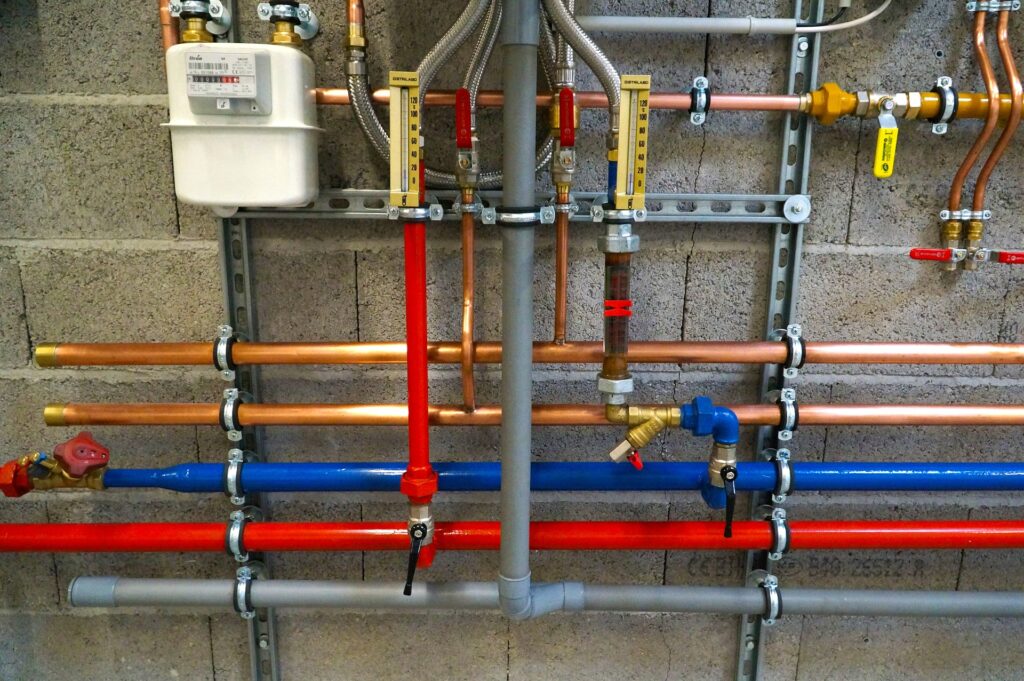
Understanding the basics of your home’s plumbing system is essential for every homeowner. Whether you’re performing routine maintenance, dealing with emergencies, or simply curious about how things work, basic plumbing knowledge can go a long way. This comprehensive guide will introduce you to the fundamental components of a typical residential plumbing system—water supply, drainage systems, and ventilation. Each component plays a crucial role in smoothly operating your home’s plumbing.
- The Water Supply System
The water supply system in your home is responsible for delivering fresh water. It’s a network that begins at the municipal water supply or a private well, running through a series of pipes to reach your home. Here’s how it works:
- Main Water Line: The journey of water starts at the main water line, which is typically underground. This line carries water into your home from the city mains or a private well. The main water shut-off valve is usually located here, and it’s crucial for homeowners to know its location for shutting down the entire home’s water supply during emergencies or repairs.
- Pipes and Sub-Pipes: Once inside, the main line divides into two subsystems: one for cold water and the other for hot water that routes through your water heater. Pipes made from copper, PVC, or PEX (cross-linked polyethylene) are commonly used, each with its own advantages and suitability for different conditions and budgets.
- Fixtures: Water reaches various fixtures like sinks, showers, and appliances through this network of pipes. Each fixture has valves that control the flow of water, allowing you to manage water use throughout the house efficiently.
- Water Pressure: Water pressure is regulated by a pressure regulator, which ensures that the pressure from the main line is suitable for safe household use. Too much pressure can lead to pipe damage, while too little pressure affects the efficiency of your water system.
- Water Softeners and Filtration Systems: Many homes have additional components, such as water softeners to reduce the mineral content in hard water or filtration systems to improve water quality.
- The Drainage System
After water has been used, it becomes waste and needs to be removed from the house safely and hygienically. This is where the drainage system comes in.
- Drains: Each fixture has a drain leading to the more extensive drainpipe network. These are designed to carry waste water away from the home to either a septic system or the public sewer system.
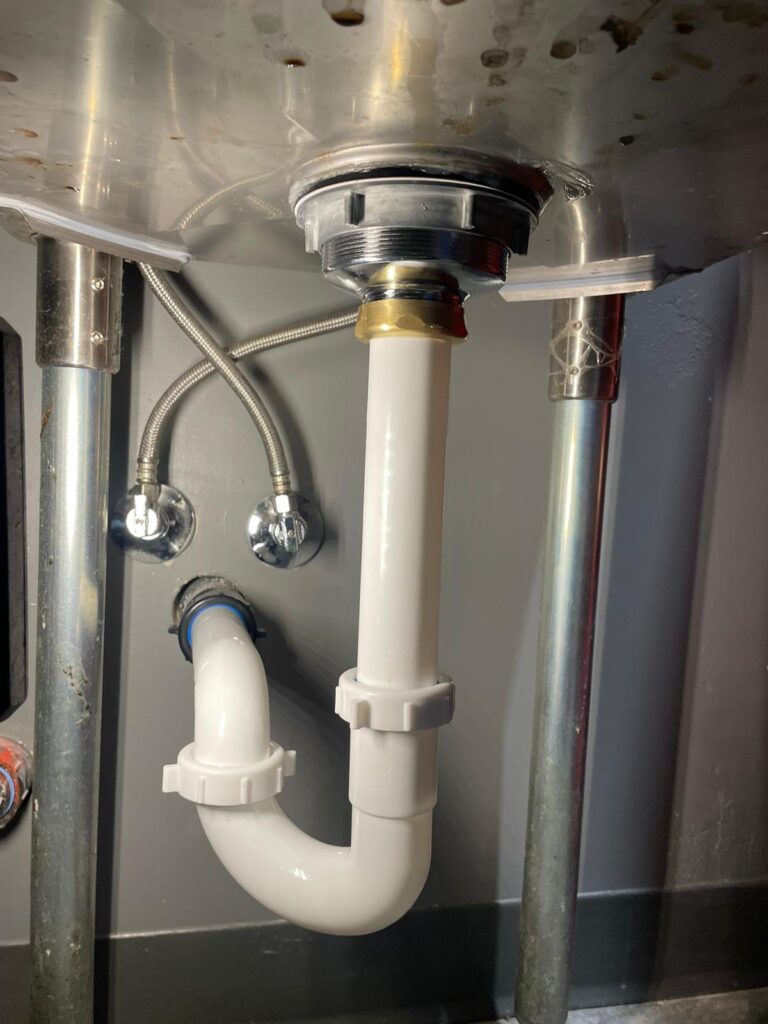
- Traps: Every drain features a trap, which is a curved section of pipe that holds water, creating a seal that prevents sewer gases from entering the home. The most common type of trap is the P-trap, visible under sinks.
- Vent Pipes: Vent pipes are crucial as they allow sewer gases to escape and let air into the drainage system to maintain proper atmospheric pressure. This pressure balance is necessary for water to flow smoothly through the drain pipes.
- Cleanouts: These are special fittings within the drainage system that allow plumbers to easily access and clean out blockages. They are typically located at strategic points like bends and junctions.
- The Ventilation System
The plumbing ventilation system, often overlooked, plays a crucial role in the water supply and drainage systems by maintaining the air balance and pressure needed to flow correctly.
- Vent Stacks: Most homes have a main vent stack extending from the roof. This vent releases gases and odors from the sewer and allows fresh air to enter the drainage system, which helps to push wastewater smoothly through the drainage pipes.
- Secondary Vents: These may branch off from the main vent stack and are often connected directly to fixtures. Secondary vents ensure that air can still circulate within the plumbing system even if the main vent is blocked.
Maintenance Tips
- Regular Checks: Regularly inspect your plumbing system for signs of leaks, damage, or wear. Look out for wet spots on walls, floors, and ceilings, as these can indicate hidden leaks.
- Prevent Clogs: Avoid flushing non-degradable items down the toilet and keep large food particles, grease, and oils out of kitchen sinks to prevent clogs.
- Seasonal Precautions: Before winter, make sure to insulate pipes in vulnerable areas like basements, attics, and garages to prevent freezing and bursting.
- Professional Inspections: Schedule an annual inspection with a professional plumber to check your system thoroughly and address any potential issues before they become major problems.
- Water Heater Maintenance: Regularly check and maintain your water heater, including flushing it annually to remove sediment buildup.
Conclusion
Understanding the basics of your home’s plumbing system helps you manage, maintain, and troubleshoot the essential yet often invisible systems that contribute to a comfortable and functional home. Whether it’s dealing with everyday maintenance or unexpected repairs, knowing how your plumbing works is an invaluable part of home ownership.